The Erasmus+ youth exchange project “Breaking Stereotypes – Building Friendships” was created to open space for intercultural dialogue, learning, and mutual understanding among young people from different European countries. At a time when stereotypes, Islamophobia, discrimination, and hate speech are becoming increasingly visible across Europe, the project responded to a real and urgent social need: helping young people challenge prejudice and build friendships beyond cultural and religious differences.
The main goal of the project was to equip young people with the knowledge, skills, and tools needed to stand against Islamophobia, hate speech, and discrimination, while promoting a culture of understanding, respect, and solidarity between communities in Europe. Through non-formal education methods, the project created a safe environment where participants could openly discuss sensitive issues, share personal experiences, and grow together through meaningful intercultural exchange.
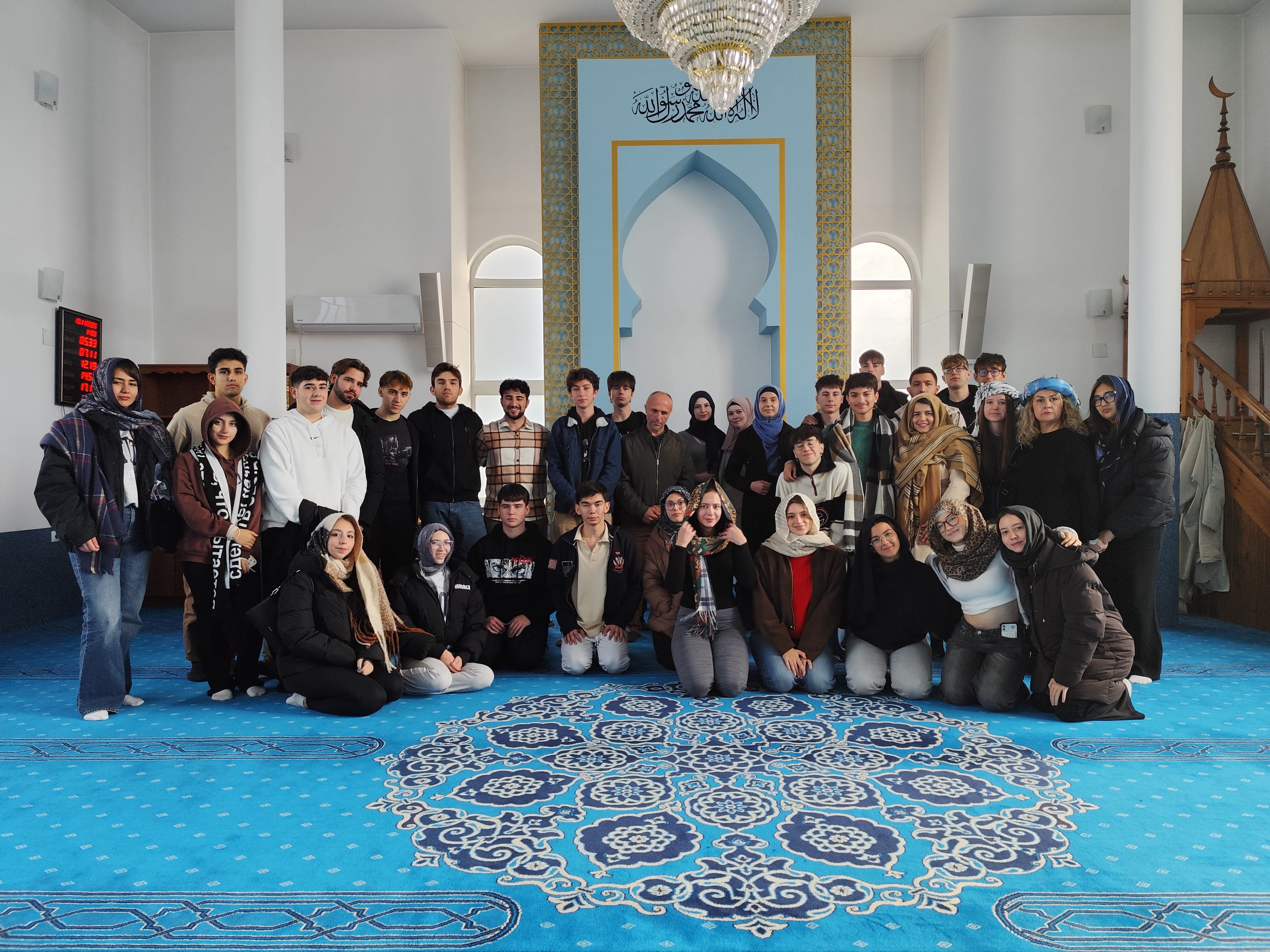
The project brought together 35 participants — 30 young people and 5 group leaders — from Bulgaria, Italy, Spain, Türkiye, and Romania. Most participants were between 16 and 23 years old and came from diverse social, cultural, and educational backgrounds. Many were from small towns and rural areas, and for a significant number of them, this was their first international youth exchange. Some participants had fewer opportunities, while others had direct or indirect experience with prejudice, exclusion, or discrimination, making the project especially relevant and meaningful.
The youth exchange programme combined a wide range of non-formal education methods, including interactive workshops, role plays, simulations, empathy-building exercises, group work, intercultural evenings, media literacy sessions, creative workshops, and daily reflection activities. Participants explored the causes and consequences of stereotypes, Islamophobia, hate speech, and discrimination, while also learning to recognise manipulation, misinformation, and harmful narratives in media and online spaces.
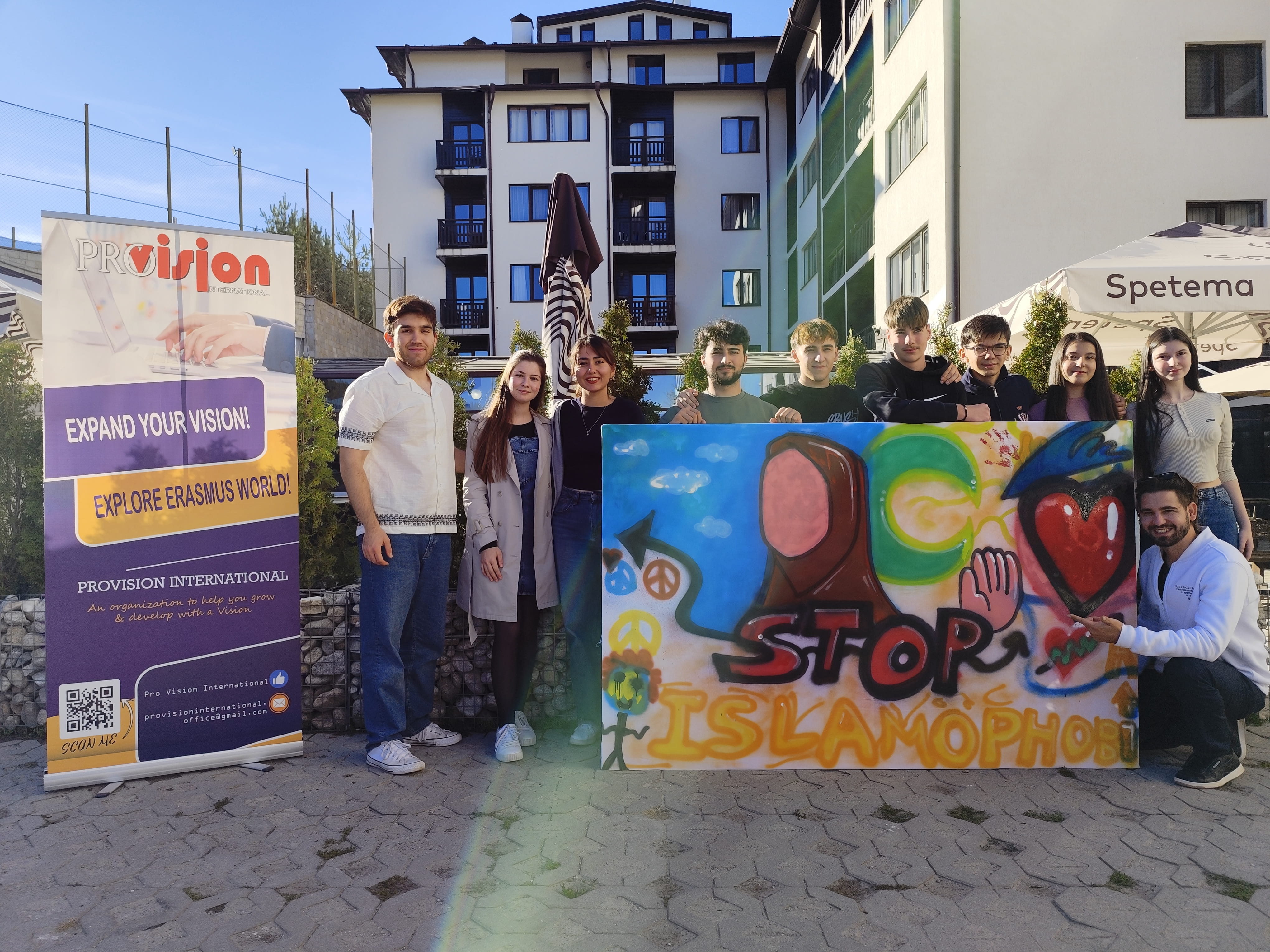
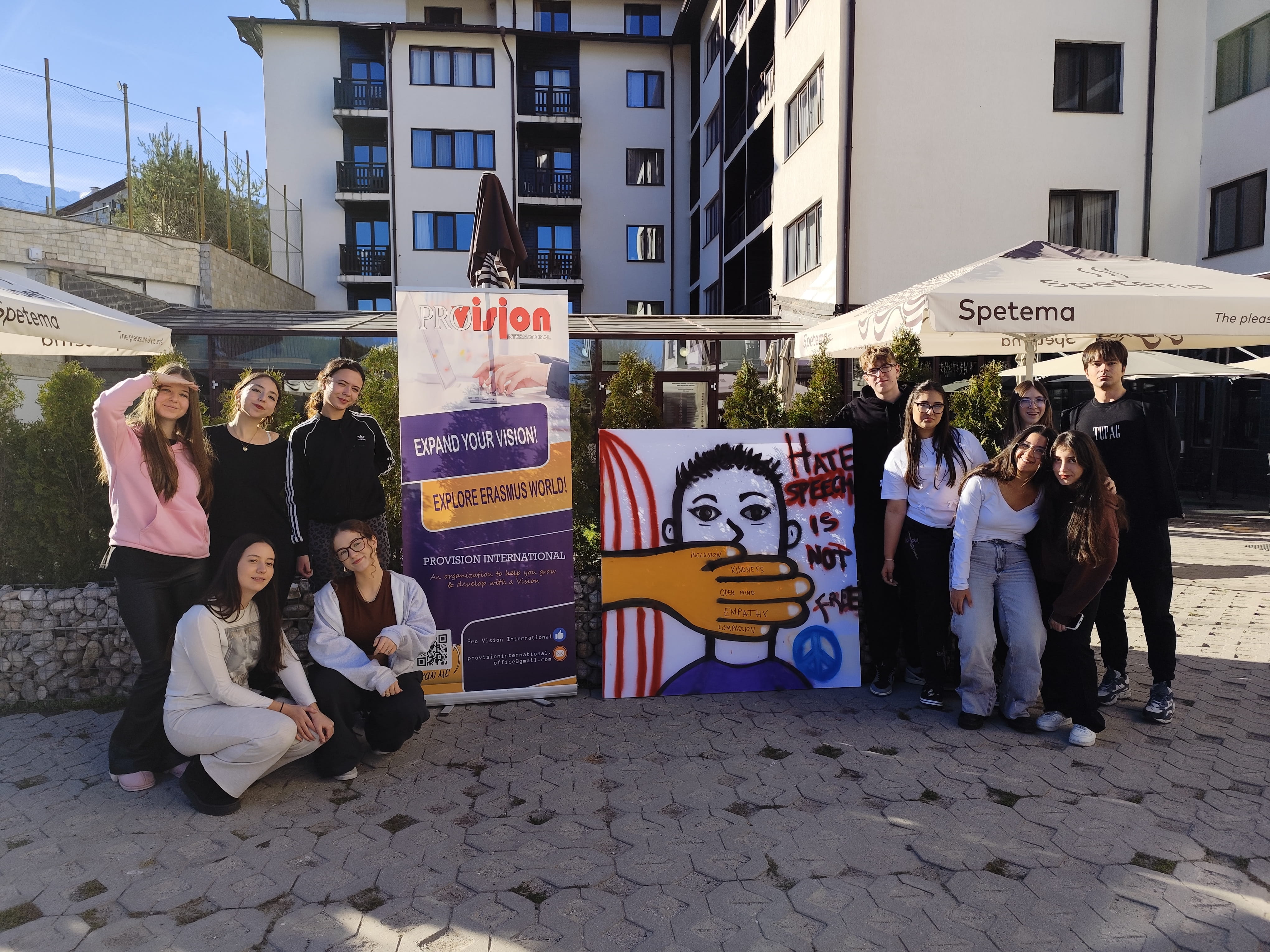
A particularly important element of the project was the use of art and creativity as tools for social change. Participants took part in activities such as graffiti workshops, digital storytelling, and forum theatre, which gave them the opportunity to express their views in creative and impactful ways. Through art, they not only reflected on difficult social realities but also developed new forms of communication and advocacy that can be used in their own communities.
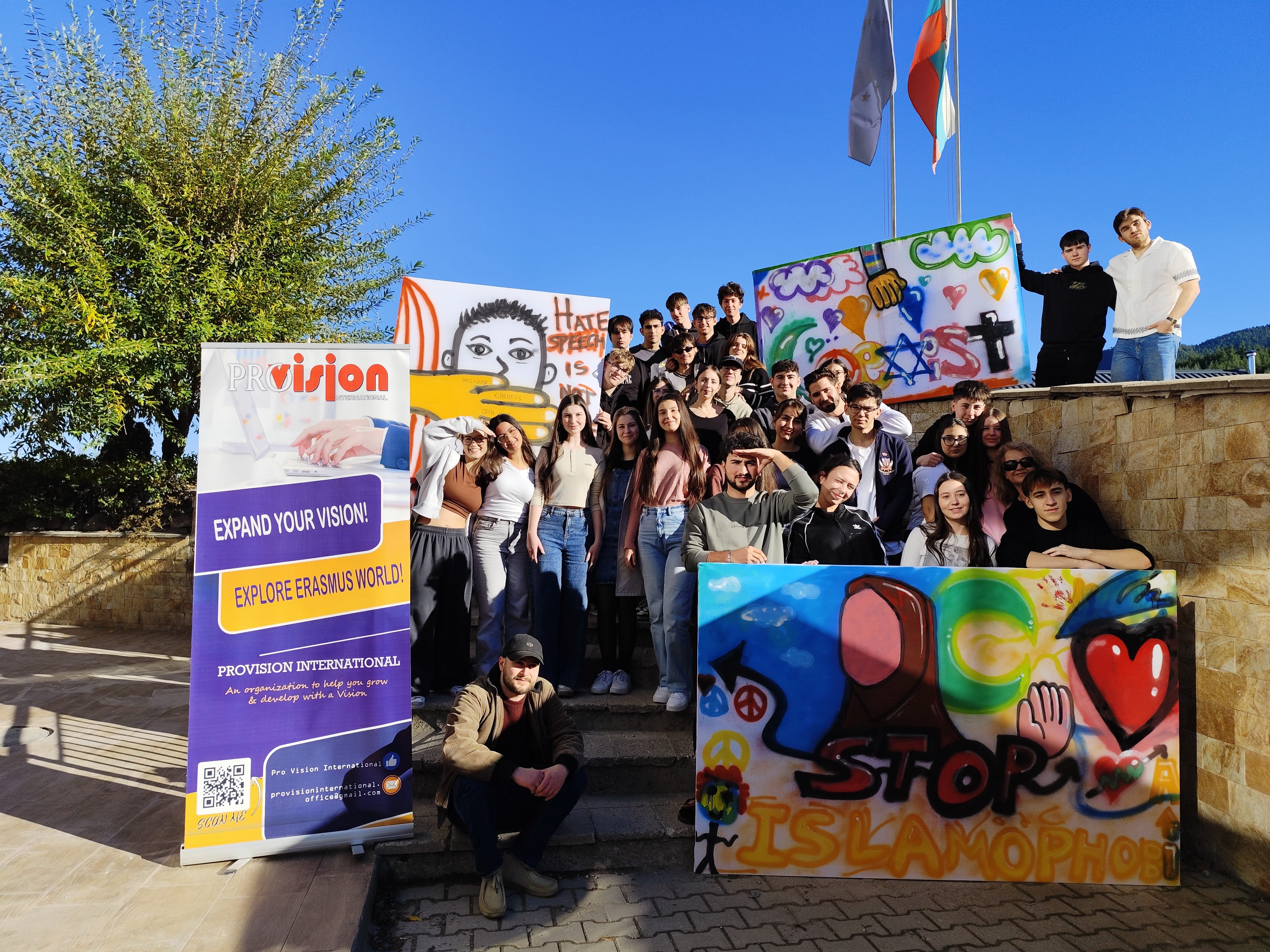
The results of the project were both meaningful and far-reaching. One of the most important outcomes was the increased awareness and sensitivity of participants towards issues such as Islamophobia, discrimination, and hate speech. By engaging with real-life stories, discussions, and experiential learning methods, young people developed a deeper understanding of the impact of stereotypes and prejudice on individuals and communities.
The project also contributed to the development of several key competences among participants, including intercultural communication, teamwork, critical thinking, media literacy, self-expression through art, and confidence to participate in civic life. Working in an international environment helped the young people exchange perspectives, challenge assumptions, and build genuine friendships across national, cultural, and religious differences.
The project also led to a very positive unplanned result. After the mobility, two participants from Belitsa took the initiative to create an Erasmus club within Provision at their school. Inspired by their experience during the exchange, they decided to continue the project’s energy at local level by organising information sessions, events, and activities promoting Erasmus+ opportunities among young people in their region. This initiative will also be developed in cooperation with their local school, allowing the impact of the project to reach even more young people.
In addition, the project generated a strong follow-up effect through dissemination activities organised by the participants themselves. After the mobility, they actively shared their experiences and the key messages of the project through presentations, informal meetings, social media posts, peer discussions, and local youth and school-based initiatives. Thanks to these follow-up actions, more than 180 young people were reached and engaged with topics such as Islamophobia, stereotypes, intercultural dialogue, and Erasmus+ opportunities. This significantly multiplied the project’s impact beyond the direct participants.
At organisational level, the project strengthened cooperation between partner organisations, created new ideas for future joint initiatives, and once again confirmed the value of international youth exchange as a tool for social change. More broadly, it helped foster a stronger sense of solidarity, respect, and European belonging among all those involved.
“Breaking Stereotypes – Building Friendships” showed that when young people are given a safe space to listen, speak, create, and connect, real transformation becomes possible. The project did not remain only at the level of learning — it led to personal growth, new youth initiatives, stronger community engagement, and a lasting commitment to building more inclusive and respectful societies.
Funded by the European Union. Views and opinions expressed are however those of the author(s) only and do not necessarily reflect those of the European Union or the European Education and Culture Executive Agency (EACEA). Neither the European Union nor EACEA can be held responsible for them.