1. What motivated you to join the youth exchange “Mission Youth Mental Health”?
I was motivated to join the Mission Youth Mental Health exchange because I believe that mental health is one of the most important issues young people face today. Many young people struggle with stress, anxiety, and pressure, yet often lack the necessary support or knowledge to cope with these challenges. This project offered me the opportunity to learn new tools and strategies that could help not only myself but also others in my community. I was also eager to connect with young people from different cultures and learn how mental health is approached in their countries. Sharing experiences and ideas can inspire better solutions and stronger understanding. Another motivation was to improve my communication and teamwork skills while working on such a meaningful topic. I see this exchange as a chance to grow personally, gain confidence, and raise awareness about mental health. Most importantly, I wanted to be part of a positive change and help reduce the stigma surrounding mental health.
2. What was the most interesting thing you learned during the project? How will you use it?
The most interesting thing I learned during the project was how to practice meditation. Before this experience, I had heard about meditation but had never tried it seriously. Through the sessions, I discovered how calming and effective it can be in managing stress and improving focus. I realized that even a few minutes of meditation each day can make a significant difference in mental well-being. I plan to use this practice regularly in my daily life, especially during stressful periods such as exams or important decisions. Meditation will help me stay more balanced, mindful, and positive in different situations. In the future, I would also like to share this practice with my friends and encourage them to try it. I believe this habit will support my personal growth and help me maintain a healthier lifestyle overall.
3. Which activity or session did you enjoy the most, and why?
The activity I enjoyed the most during the project was creating dolls out of aluminum foil. It was a creative and enjoyable session that allowed us to use our imagination freely. I appreciated that the focus was not on perfection, but on self-expression through a simple material. While creating my doll, I felt more connected to my emotions and thoughts. Sharing our creations and seeing the different ideas of others was very inspiring. This activity helped us communicate without words and understand each other on a deeper level. It reminded me that self-expression can take many forms, not only through speaking or writing. Overall, it was a meaningful experience that made me feel more open, creative, and confident.
4. How will you use the knowledge and skills from this project in your work back home?
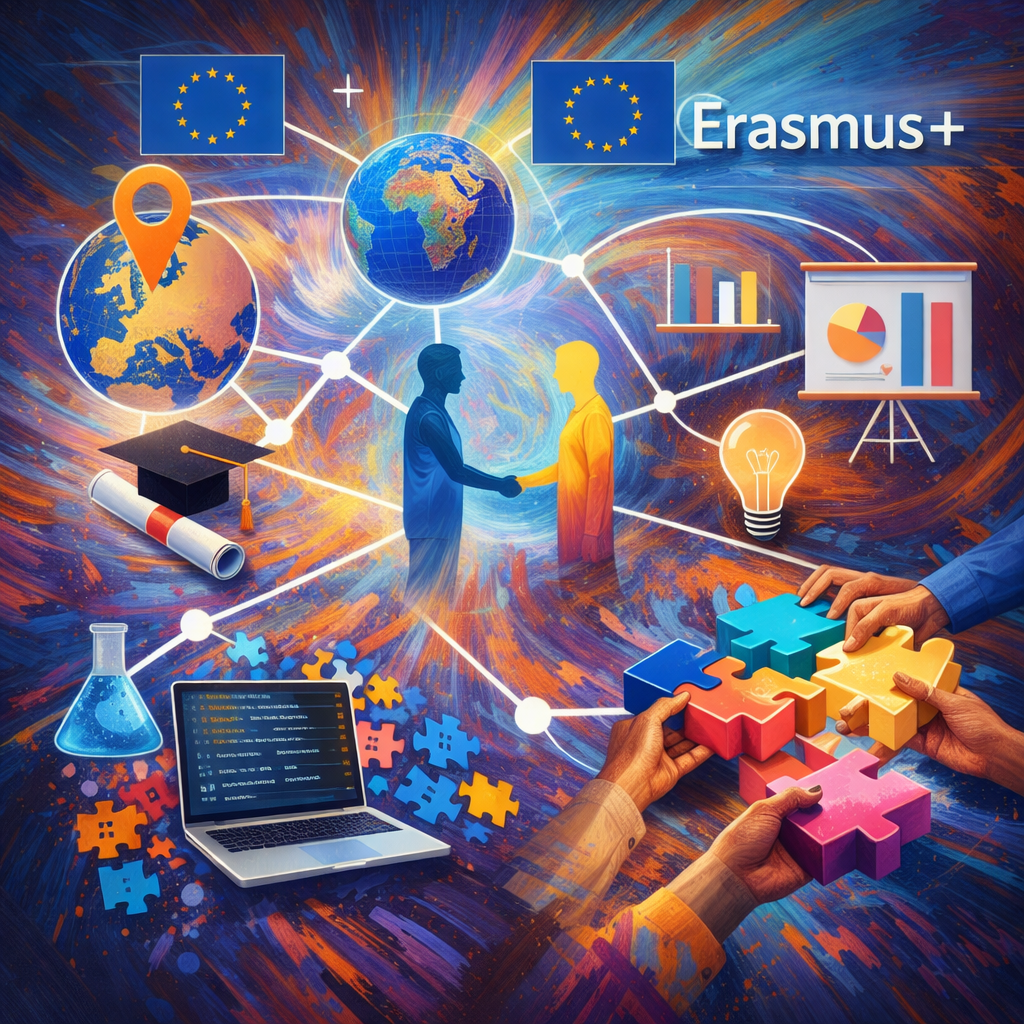
I plan to use the knowledge and skills gained from this project by sharing them with others when I return home. As a first step, I will organize a presentation at my school where I will explain what we learned during the exchange and why mental health is so important for young people. I will also share information about the Erasmus+ programme and its opportunities. During the presentation, I will introduce simple techniques such as meditation and creative expression that can help with stress management and self-awareness. Additionally, together with my Turkish friends from the project, we are planning an online meeting via Google Meet to further spread the project outcomes. This will allow us to reach more young people, not only in our own schools but also in other regions. I believe this collaboration will strengthen our impact and make it more meaningful. Through these activities, I hope to raise awareness, reduce stigma, and encourage young people to talk openly about their mental health. For me, this is not just about sharing information, but about building a supportive community that continues beyond the project.
5. If you could describe this experience in three words, what would they be?
Educational – Positive – Fun
Funded by the European Union. Views and opinions expressed are however those of the author(s) only and do not necessarily reflect those of the European Union or the European Education and Culture Executive Agency (EACEA). Neither the European Union nor EACEA can be held responsible for them.