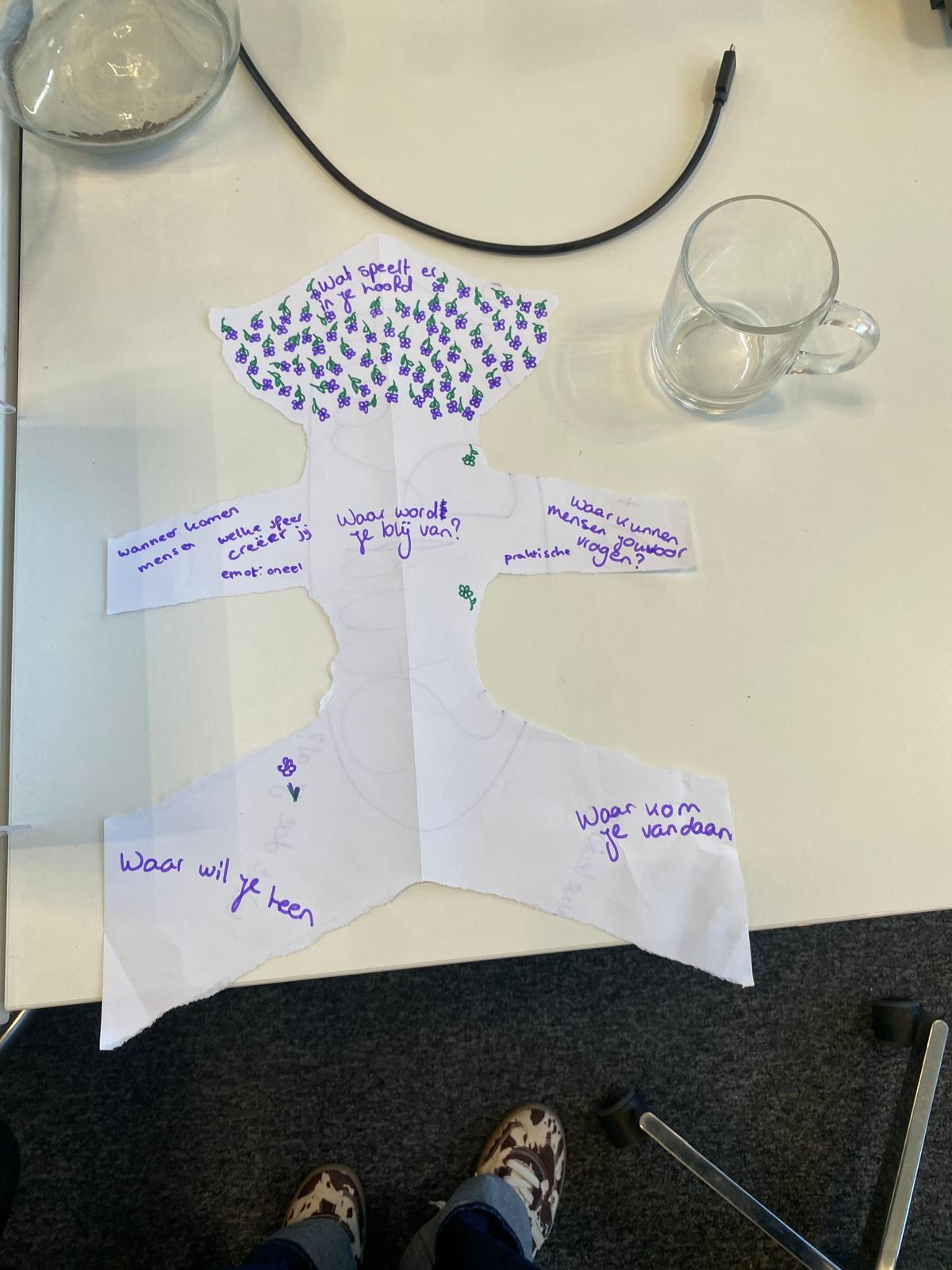
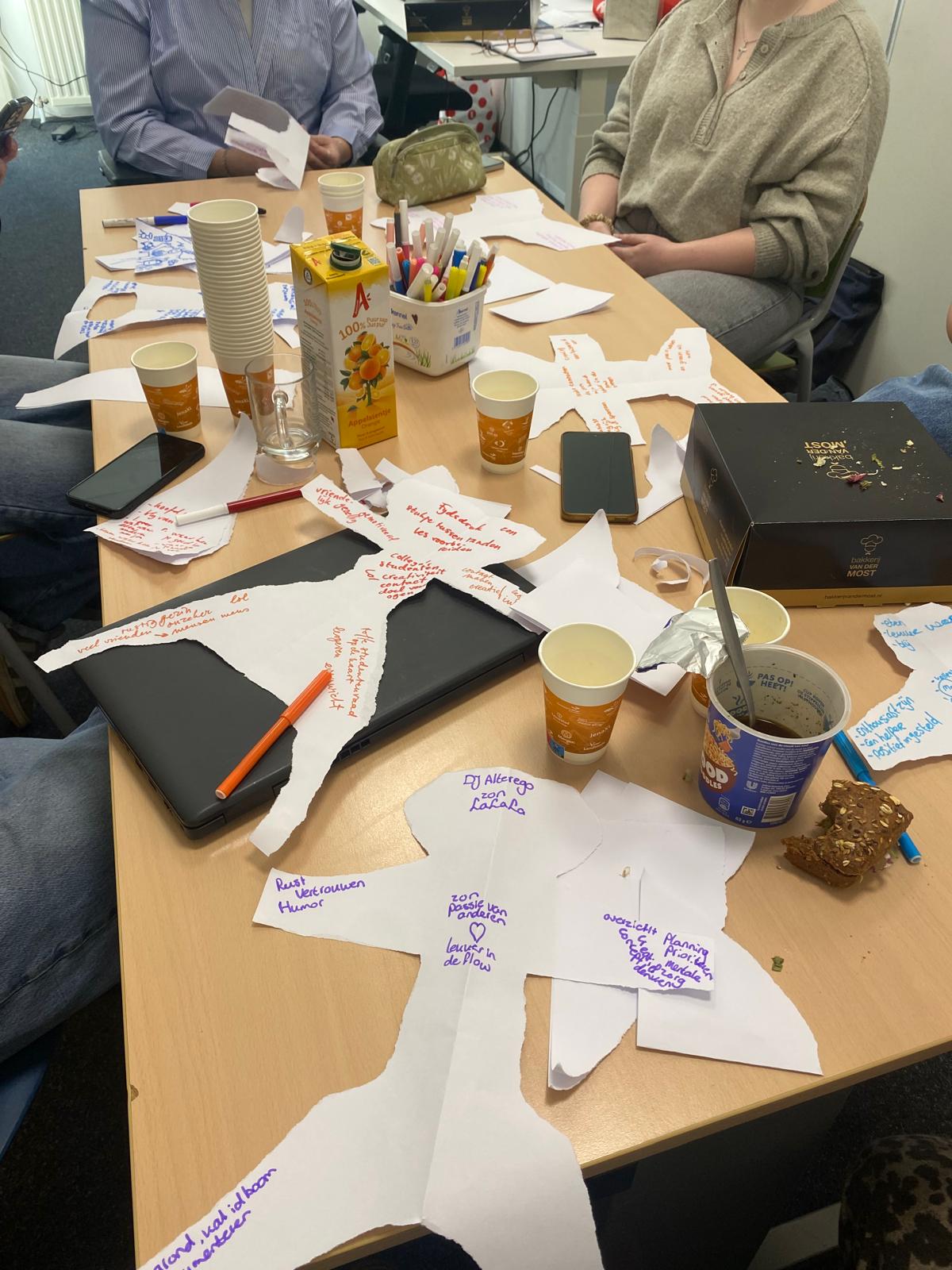
The Dutch team implemented a follow-up workshop on 5 March 2026 at Landstede School for Secondary Vocational Education in Zwolle, working together with the student council of the Pedagogical Work and Teaching Assistant programme. Although the activity focused primarily on student participation and teamwork, it strongly reflected the values of self-awareness, communication, inclusion, and supportive group dynamics explored during the training course “Youth Workers’ Lab for Mental Well-being.”
The main goal of the workshop was to support the student council in identifying its existing strengths and talents before focusing on the recruitment of new members. Through reflective and participatory activities, students explored the skills, qualities, and competences already present within the group and discussed which talents and perspectives could further strengthen the council in the future. This approach encouraged self-reflection, recognition of personal strengths, and appreciation of diversity within the team.
The workshop was received very positively by the participants, who shared that the session helped them better understand group dynamics and provided useful direction for the future development of the student council. The activity also created a supportive environment where students could openly exchange ideas, reflect on collaboration, and discuss how to create a more inclusive and effective student-led structure.
In addition to the workshop, the participants also created a video vlog documenting their visit to the youth center in Pernik during the training course. The aim of the vlog was to further disseminate the project’s learning outcomes, share personal experiences and reflections, and reach a broader audience interested in youth work, mental well-being, and international mobility opportunities. Through the video, the participants highlighted what they had learned during the project, what inspired them most, and how different approaches to youth work and mental well-being can vary across countries and cultural contexts.
This follow-up initiative demonstrated how the project’s impact extended beyond the training course itself by encouraging participants to apply reflective, participatory, and supportive practices within their own educational and youth environments while also sharing their experiences with wider audiences.
Funded by the European Union. Views and opinions expressed are however those of the author(s) only and do not necessarily reflect those of the European Union or the European Education and Culture Executive Agency (EACEA). Neither the European Union nor EACEA can be held responsible for them.