
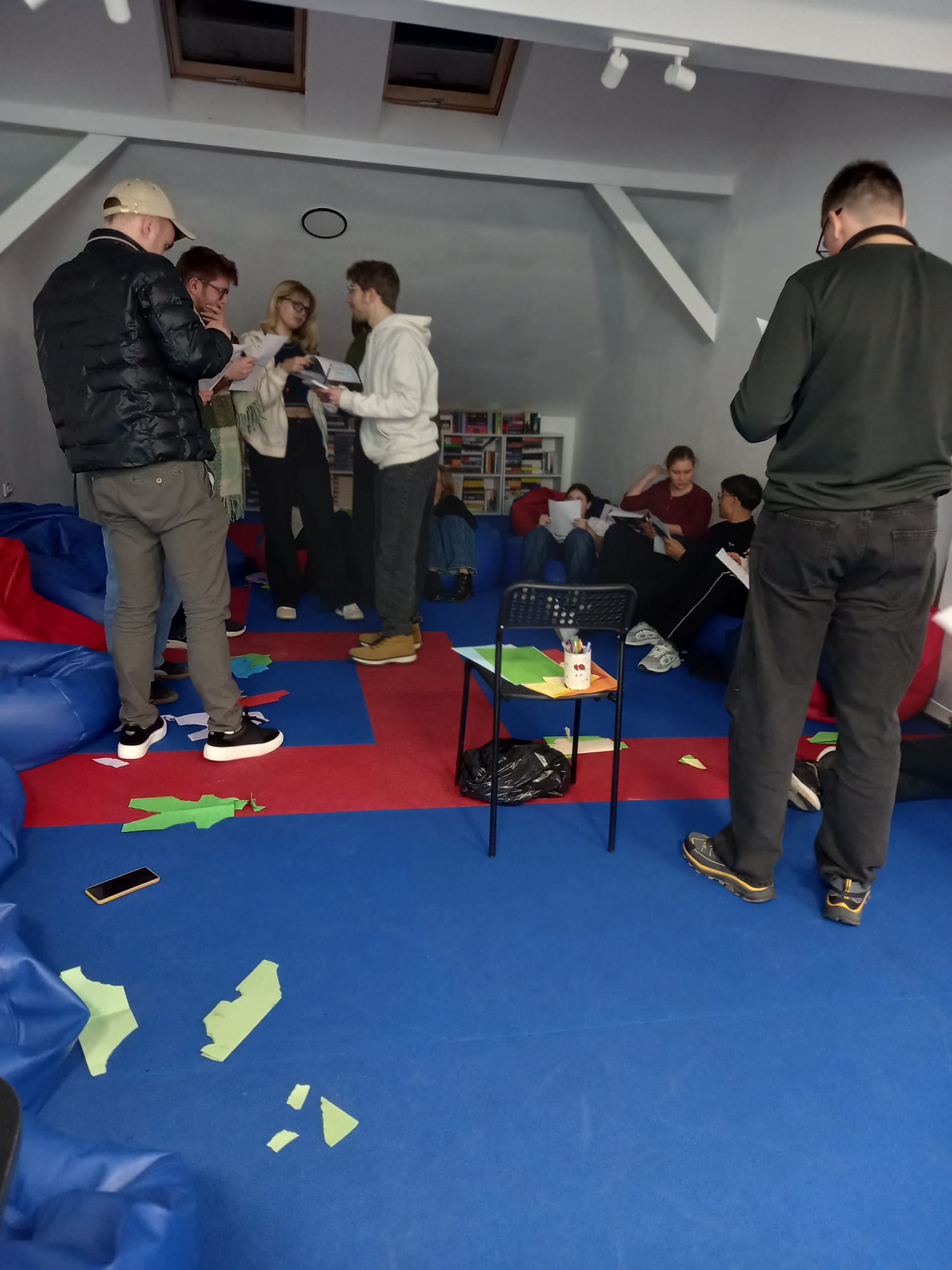
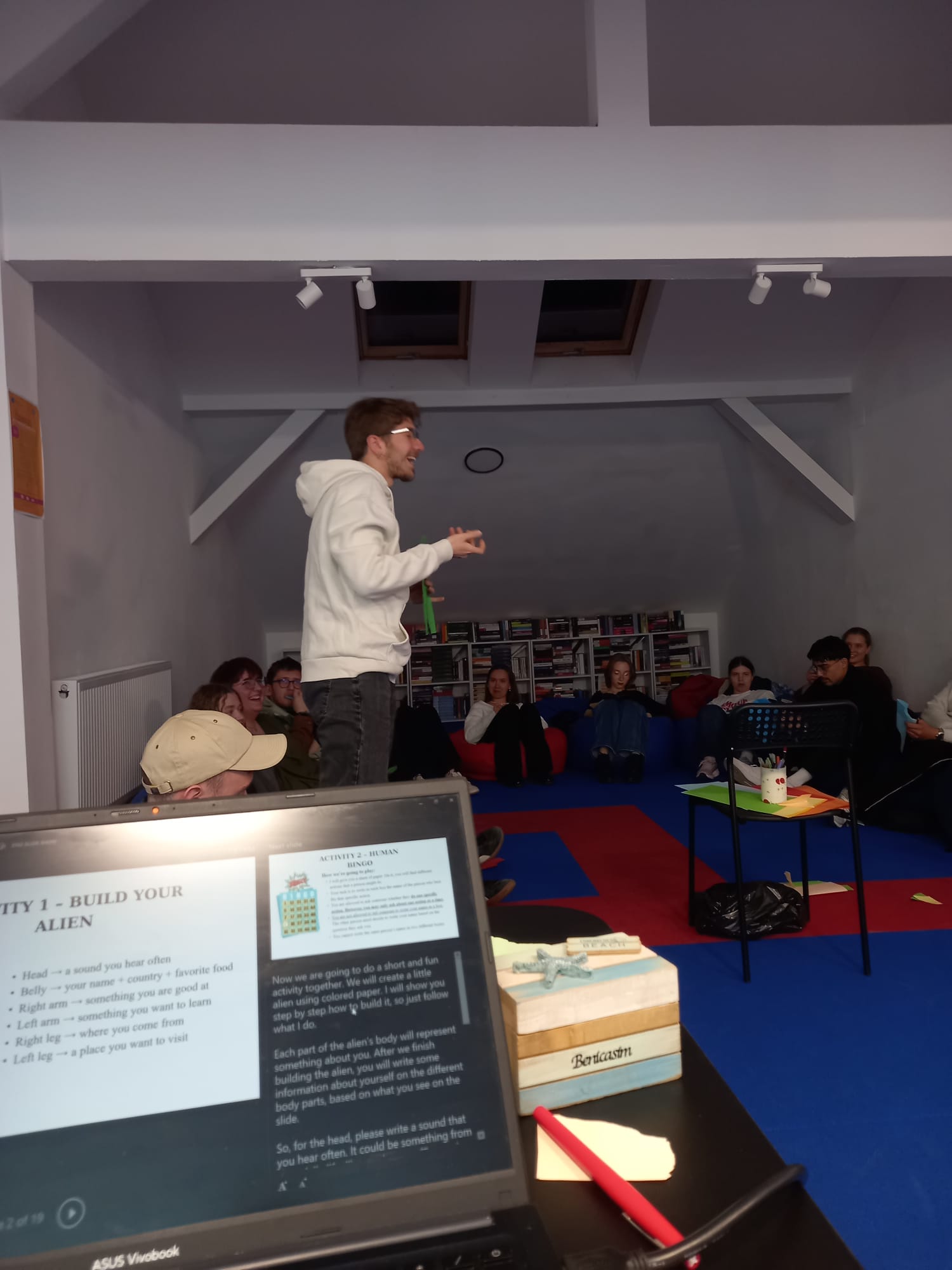
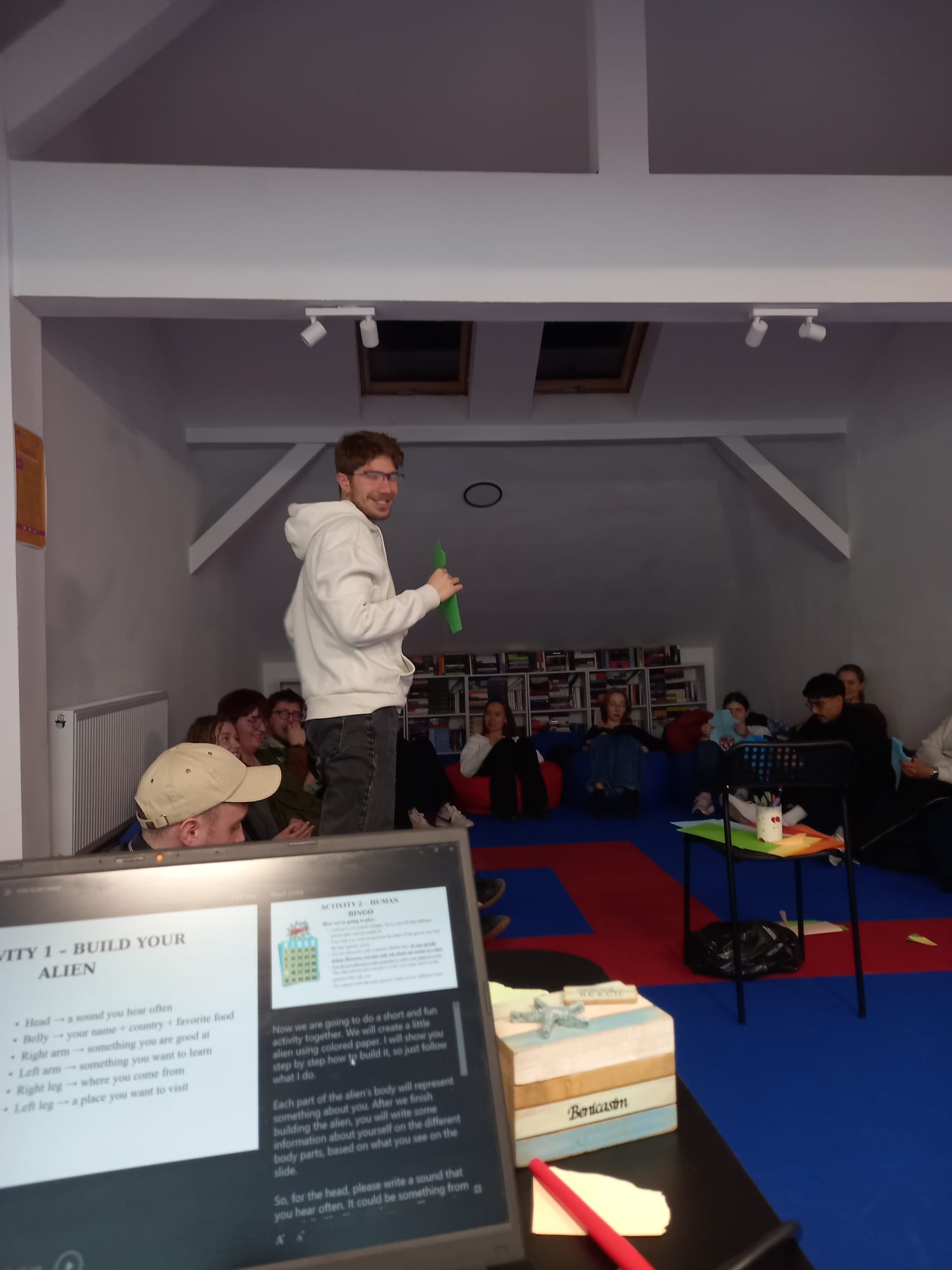
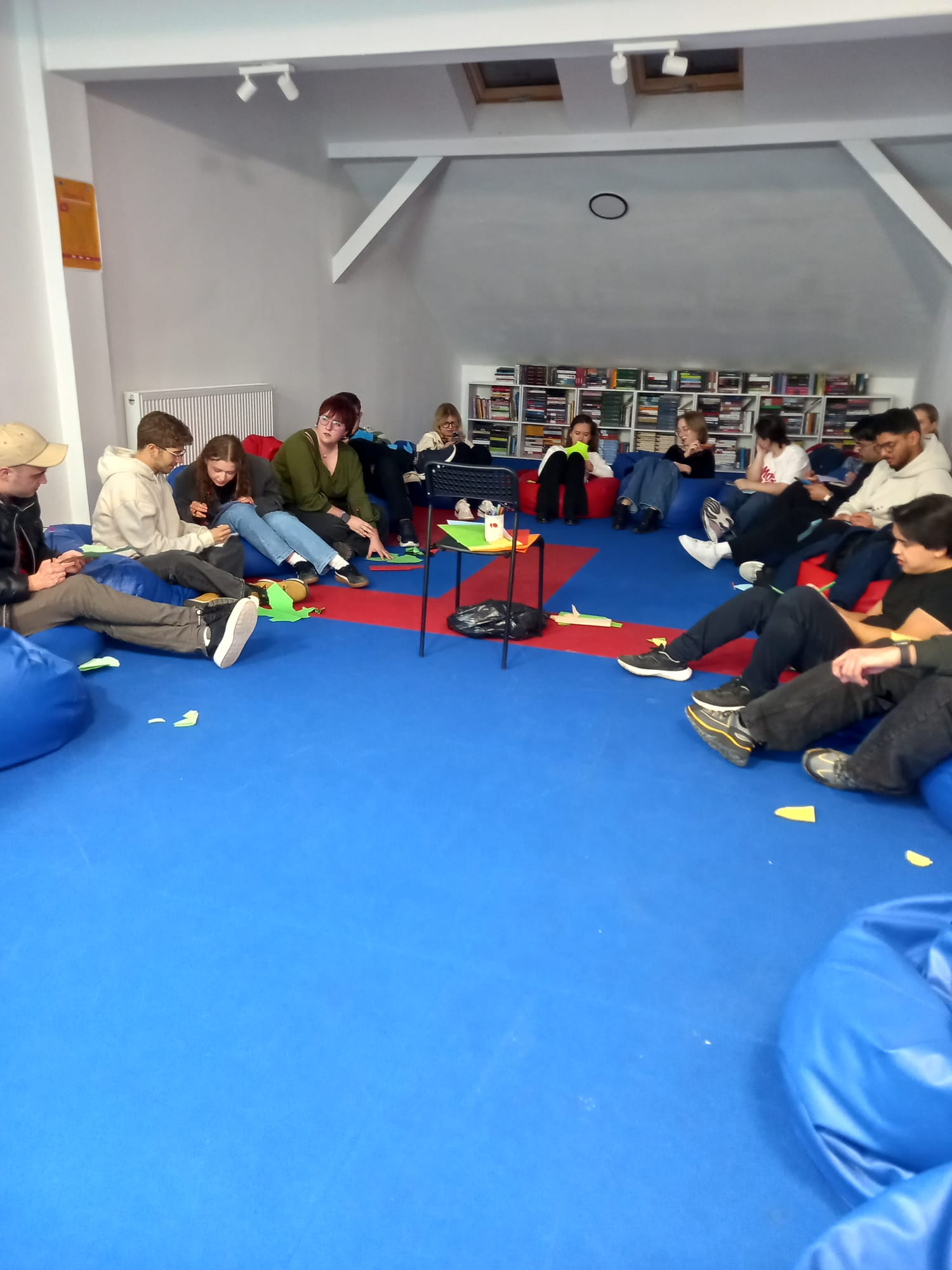
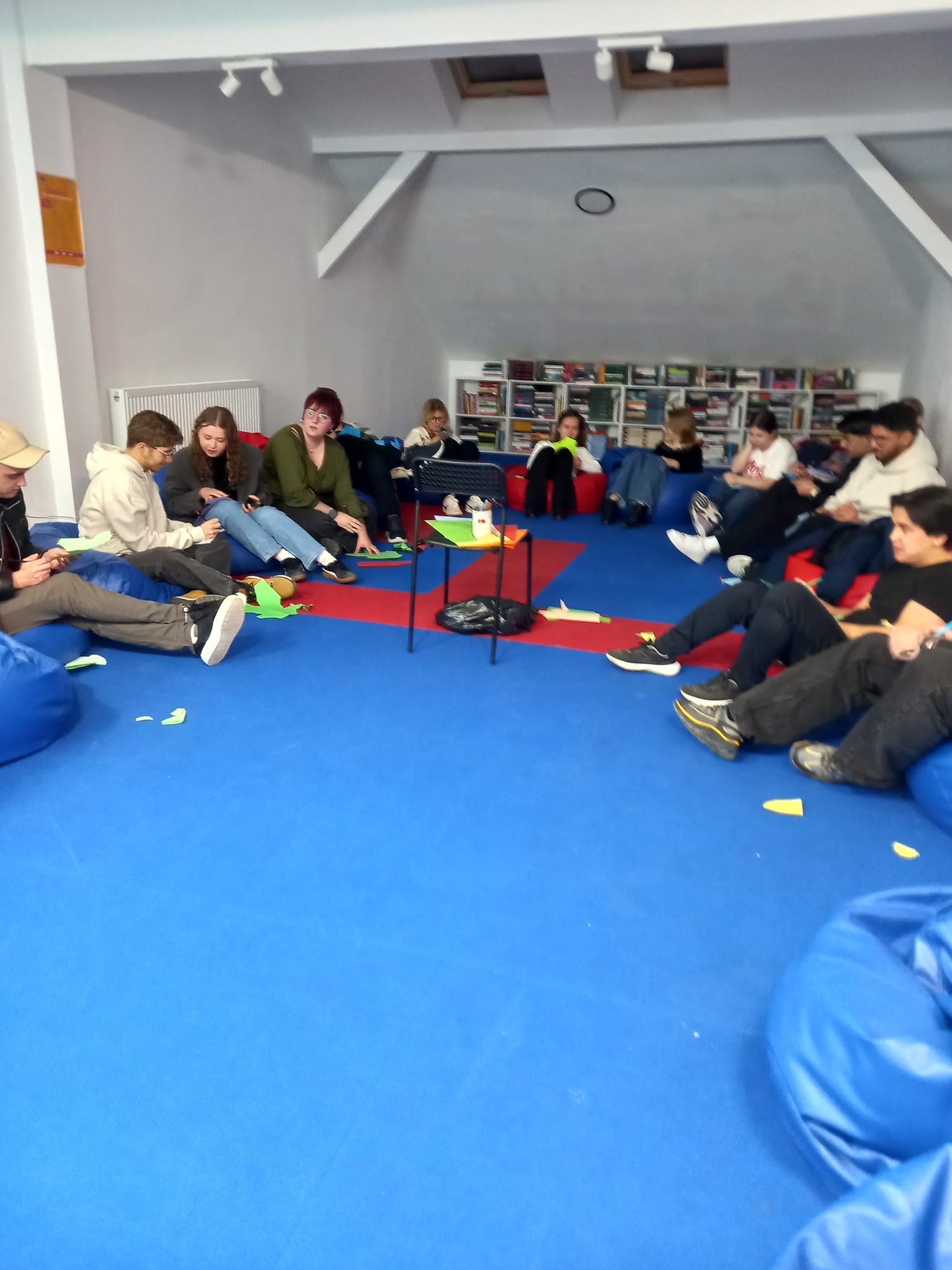
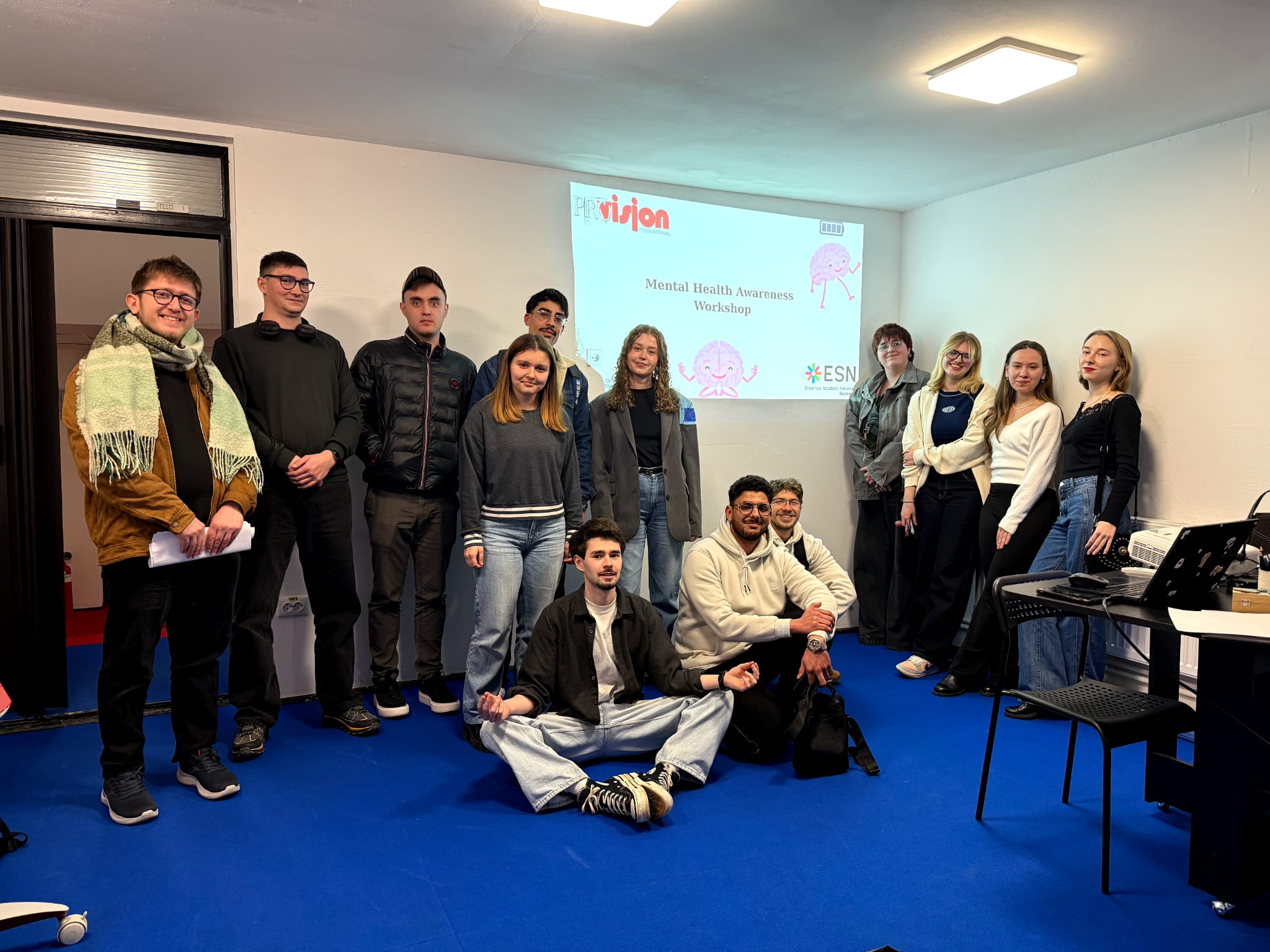
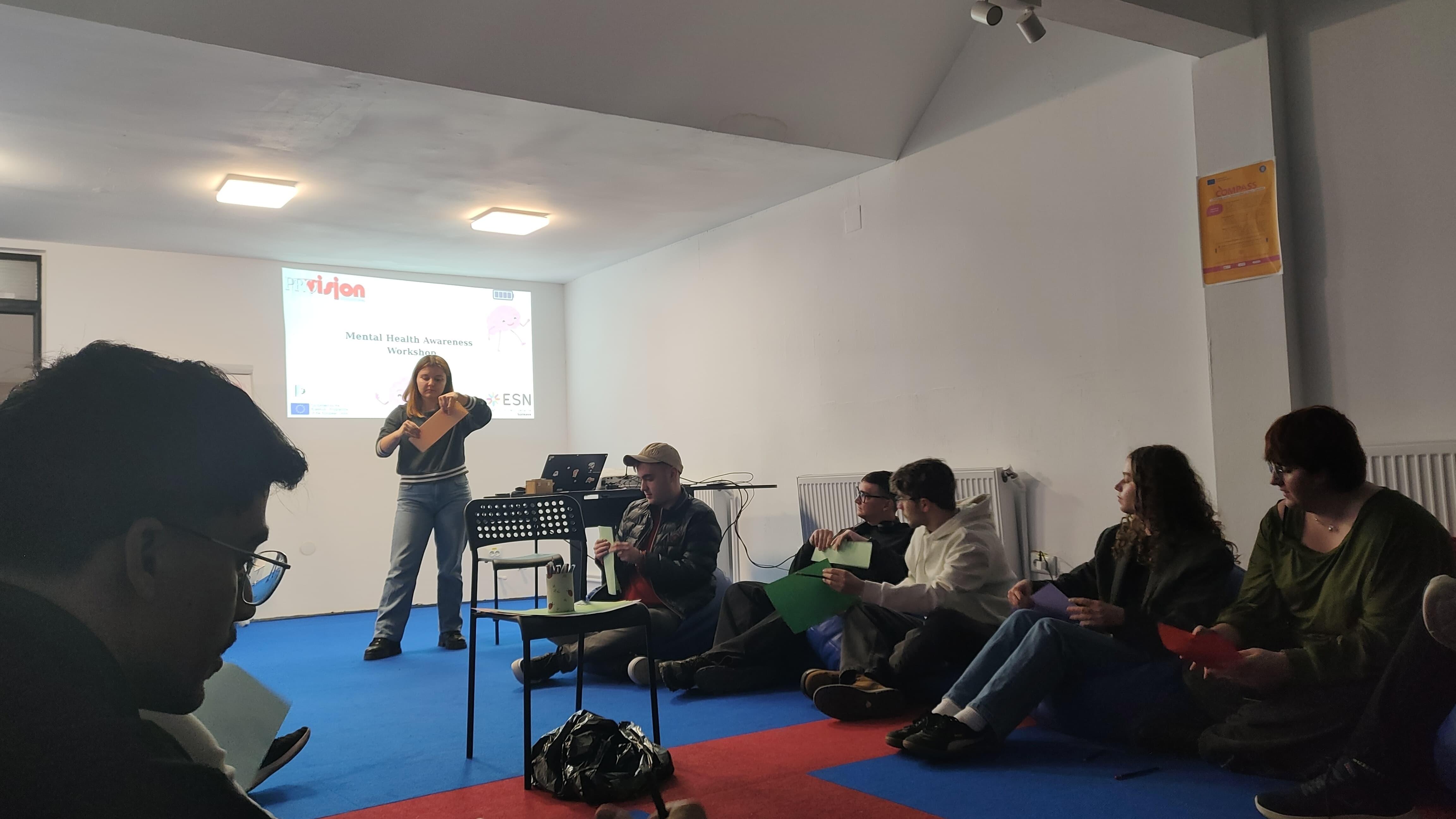
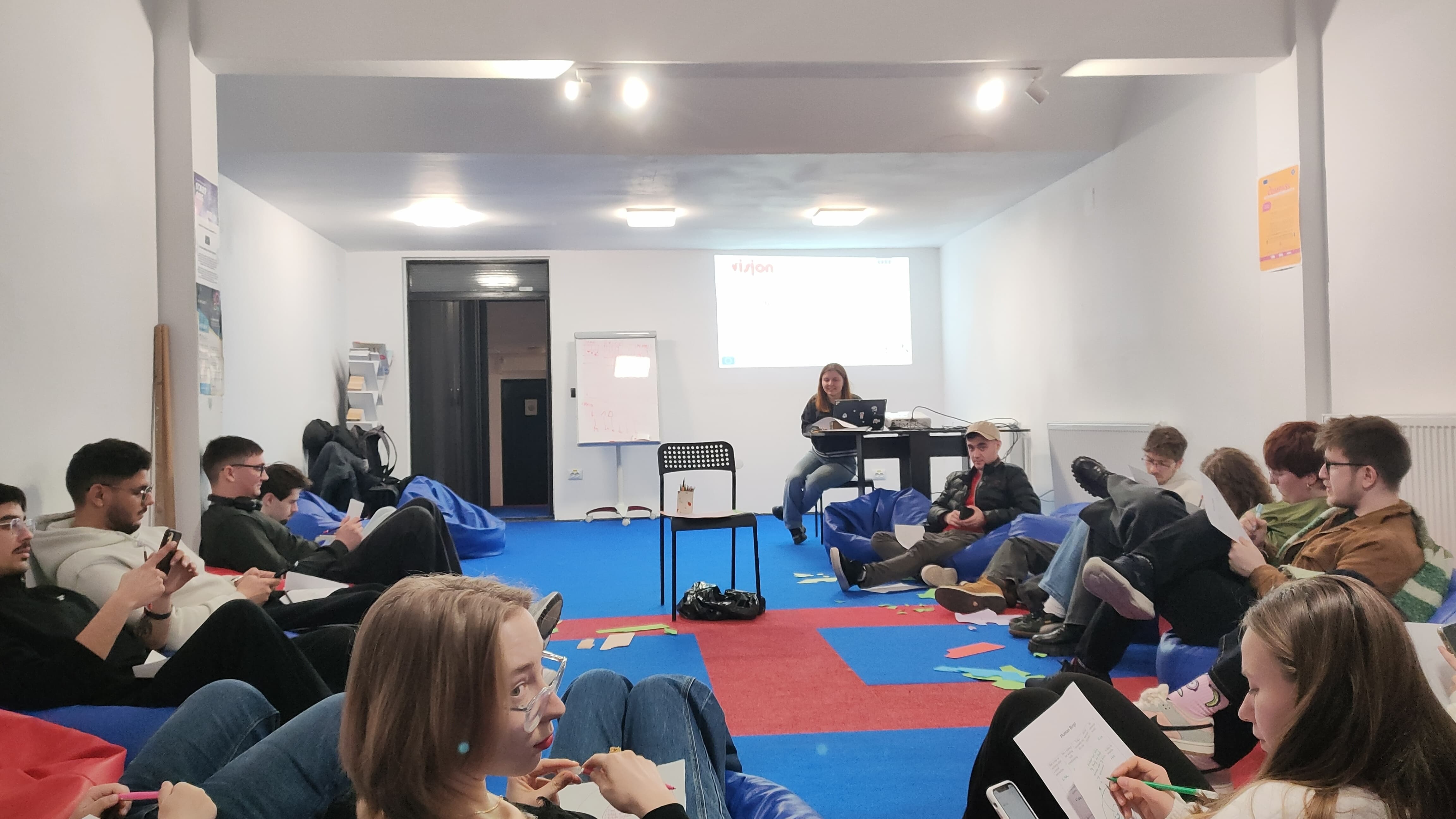
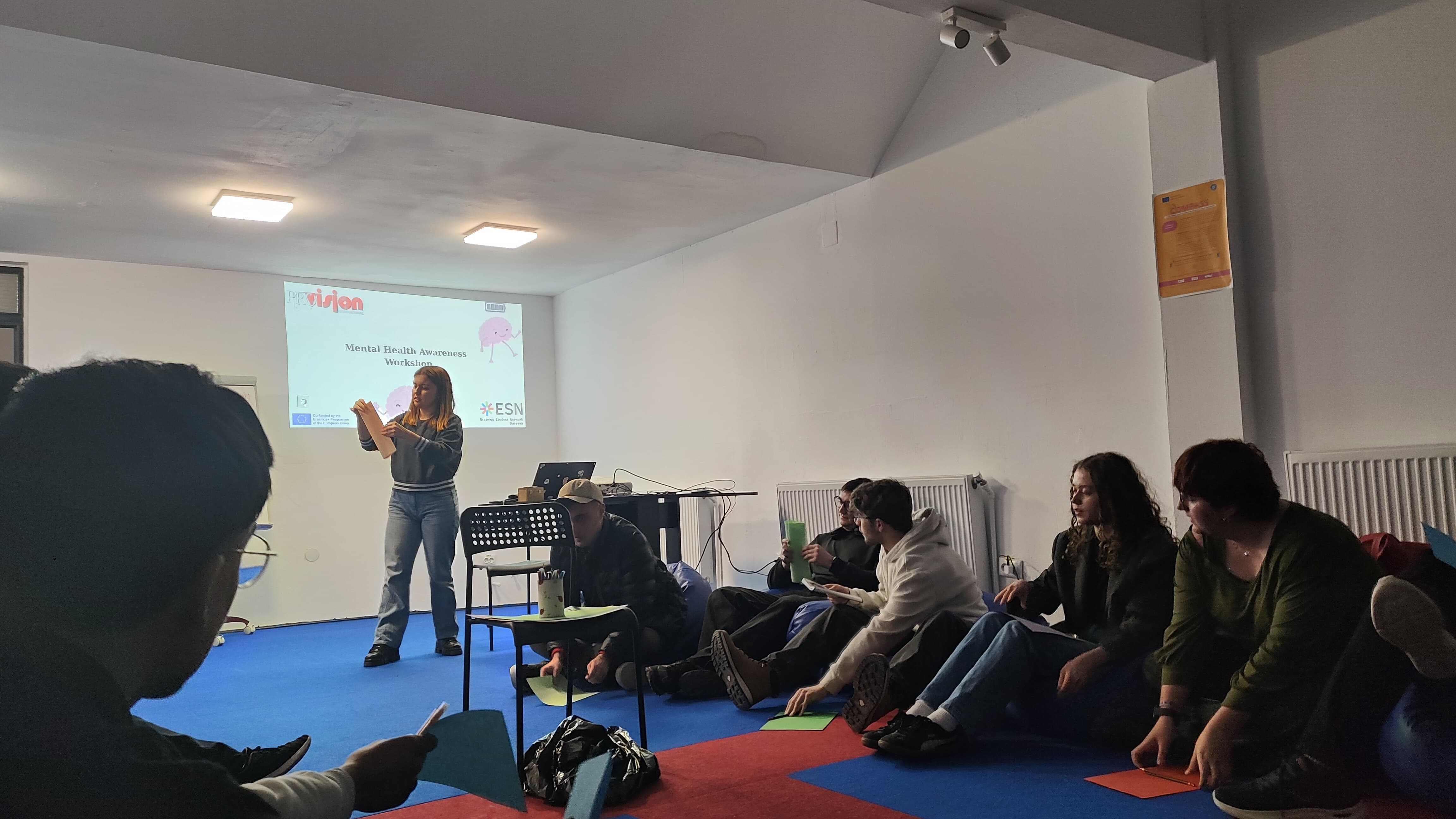
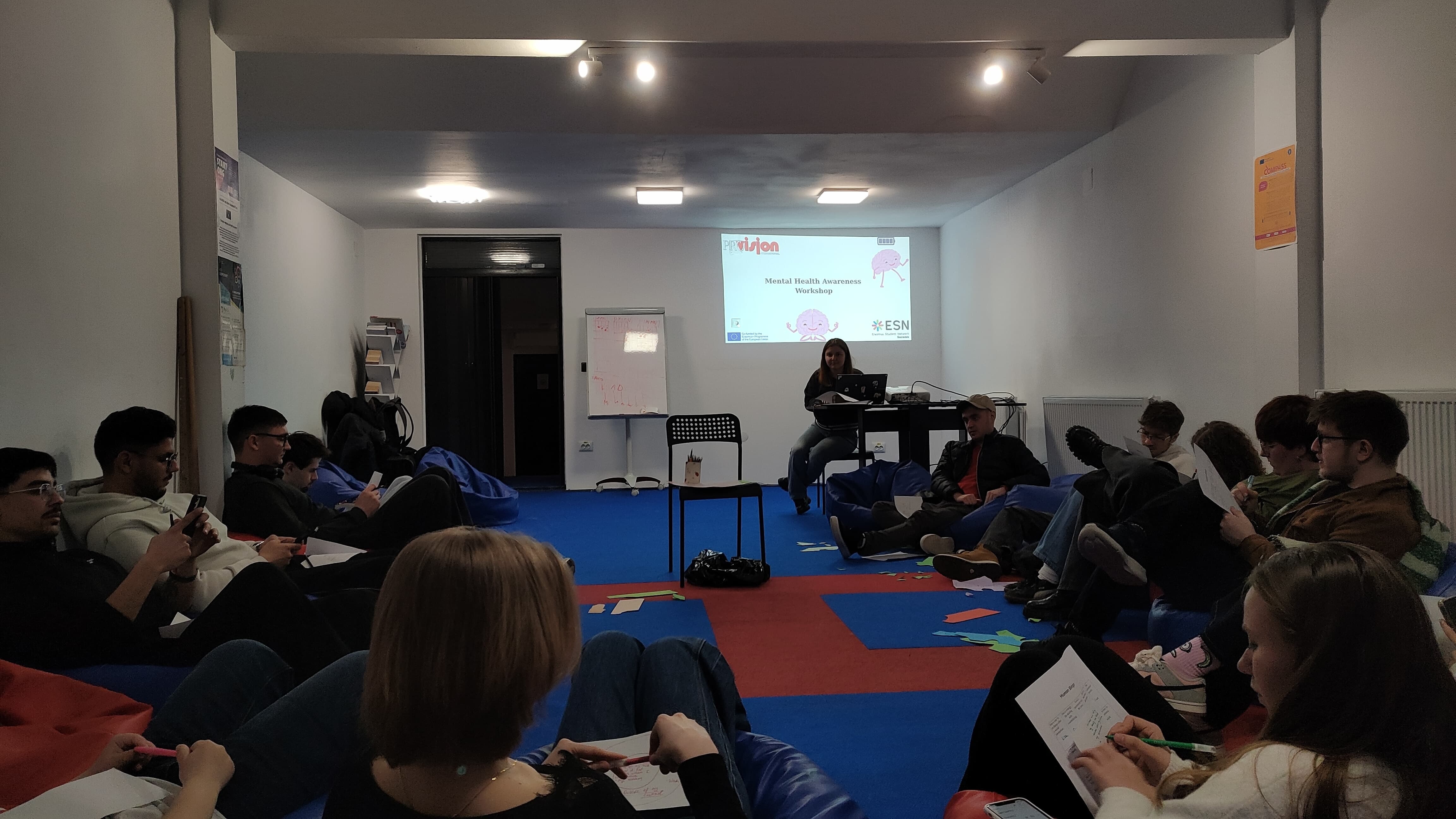
Another valuable follow-up activity was implemented at the Suceava Youth Center in Suceava and targeted Erasmus students from different countries. The workshop aimed to raise awareness about mental health and well-being while also fostering intercultural interaction, empathy, and stronger social connections among participants studying abroad.
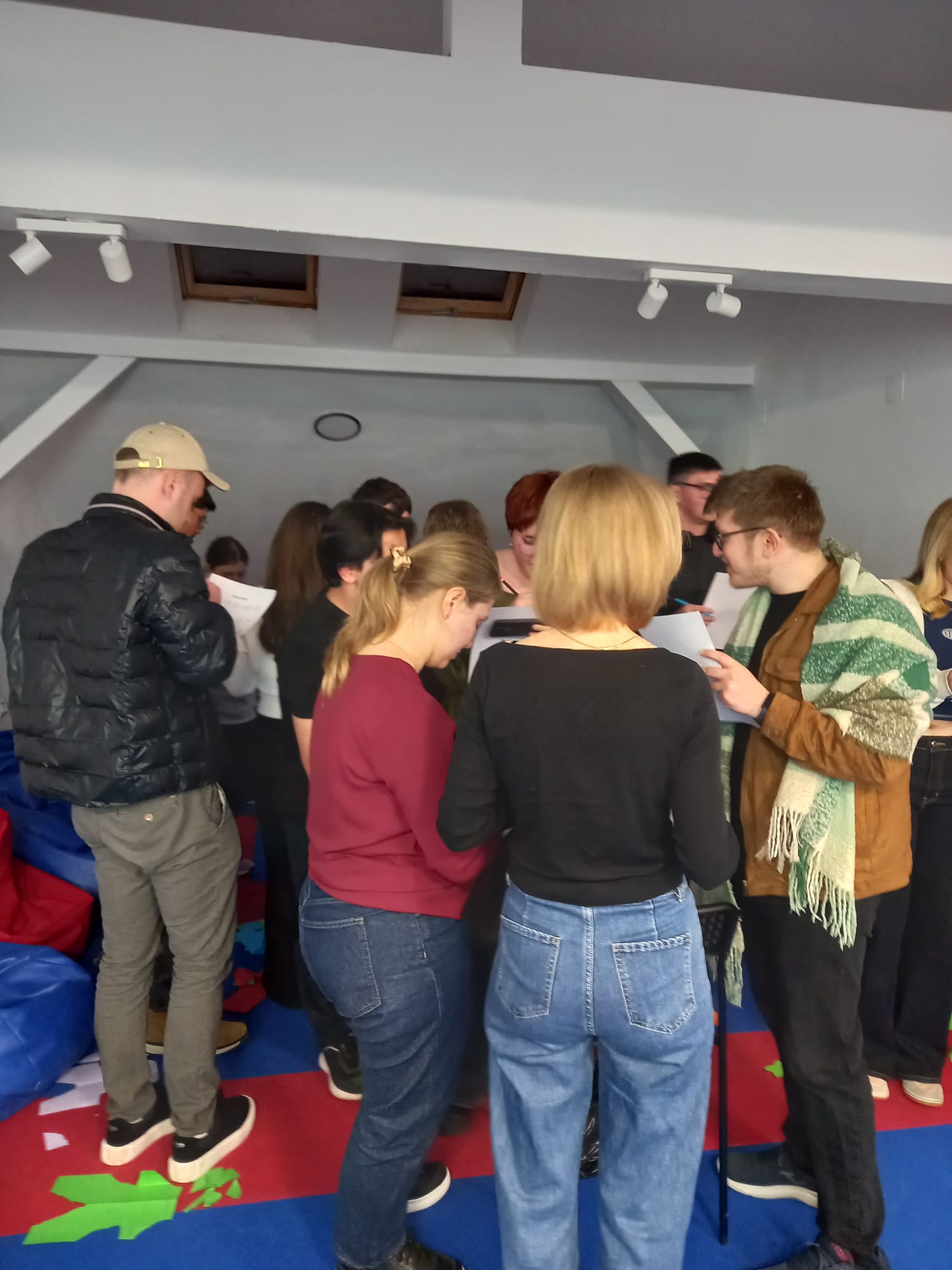
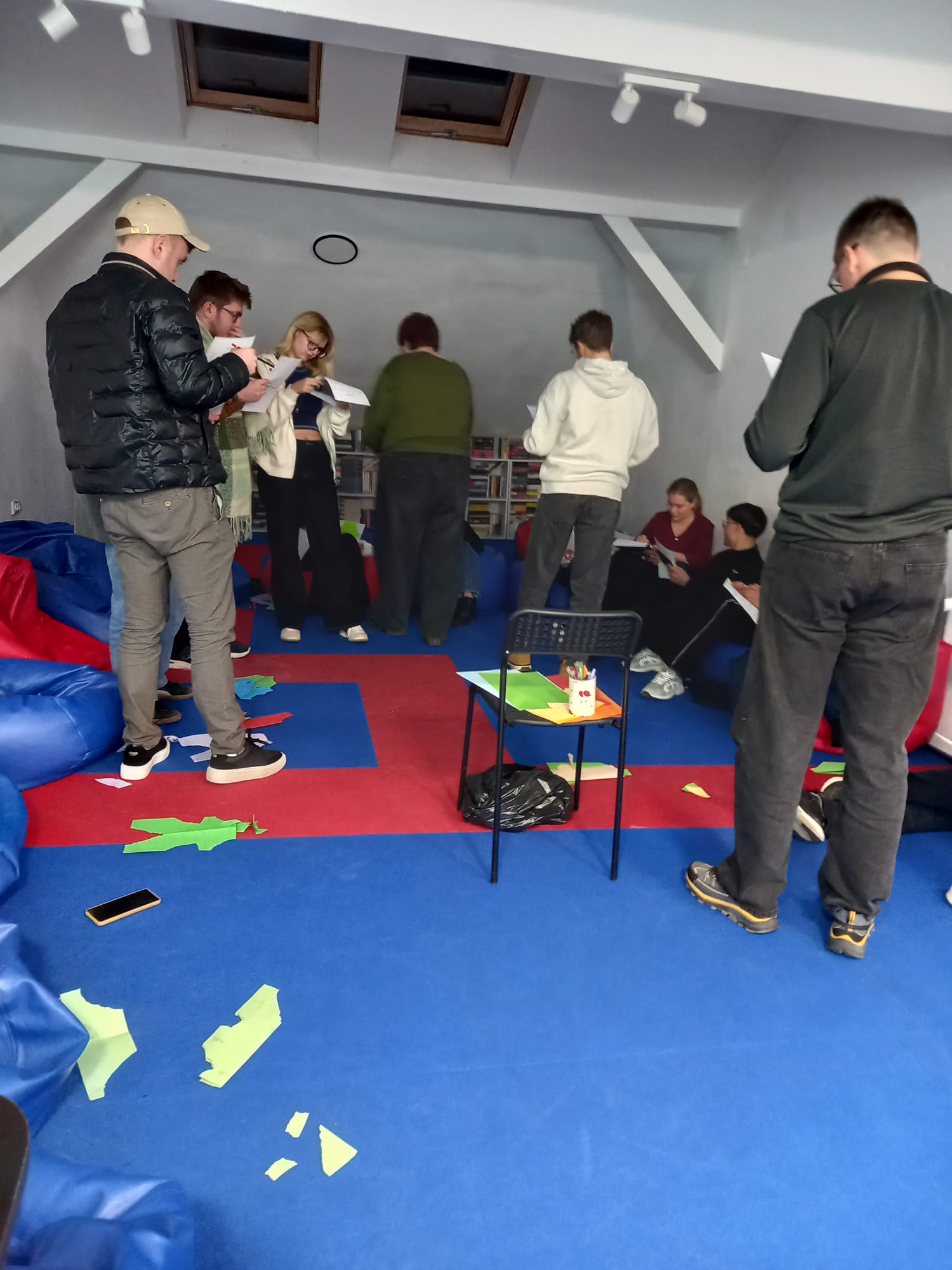
The session began with interactive icebreaker activities such as “Build the Alien” and “Human Bingo,” which encouraged participants to communicate and collaborate beyond their national groups. As the workshop progressed, students became increasingly open to interacting with peers from different cultural backgrounds, creating a more inclusive and supportive group atmosphere.
Participants explored the concepts of mental health and well-being by sharing their own perspectives, discussing personal experiences, and reflecting on common emotional challenges faced by Erasmus students while adapting to life in another country. Special attention was given to identifying warning signs of mental health struggles, debunking myths related to mental health, and understanding the importance of emotional support within international student communities.
The workshop also included several experiential and reflective activities designed to strengthen emotional awareness and resilience. Through exercises such as emotion charades, participants discovered how emotions can be expressed differently depending on personality and cultural context, which encouraged empathy and intercultural understanding. Another activity focused on the concept of “circles of control,” helping participants reflect on what aspects of life they can influence and what lies outside of their control, particularly in stressful or uncertain situations.
Towards the end of the session, participants discussed practical coping strategies for stress and anxiety, the importance of social support systems, and ways to support friends or colleagues who may be experiencing emotional difficulties. The workshop concluded with a guided journaling activity focused on gratitude, emotional reflection, personal achievements, and daily learning experiences. By sharing their reflections in pairs and group discussions, participants created a space for openness, vulnerability, and mutual understanding.
The activity successfully combined mental health awareness with intercultural learning and demonstrated how non-formal education methods can create safe spaces for dialogue, emotional expression, and meaningful connections among young people from diverse backgrounds.
Funded by the European Union. Views and opinions expressed are however those of the author(s) only and do not necessarily reflect those of the European Union or the European Education and Culture Executive Agency (EACEA). Neither the European Union nor EACEA can be held responsible for them.