
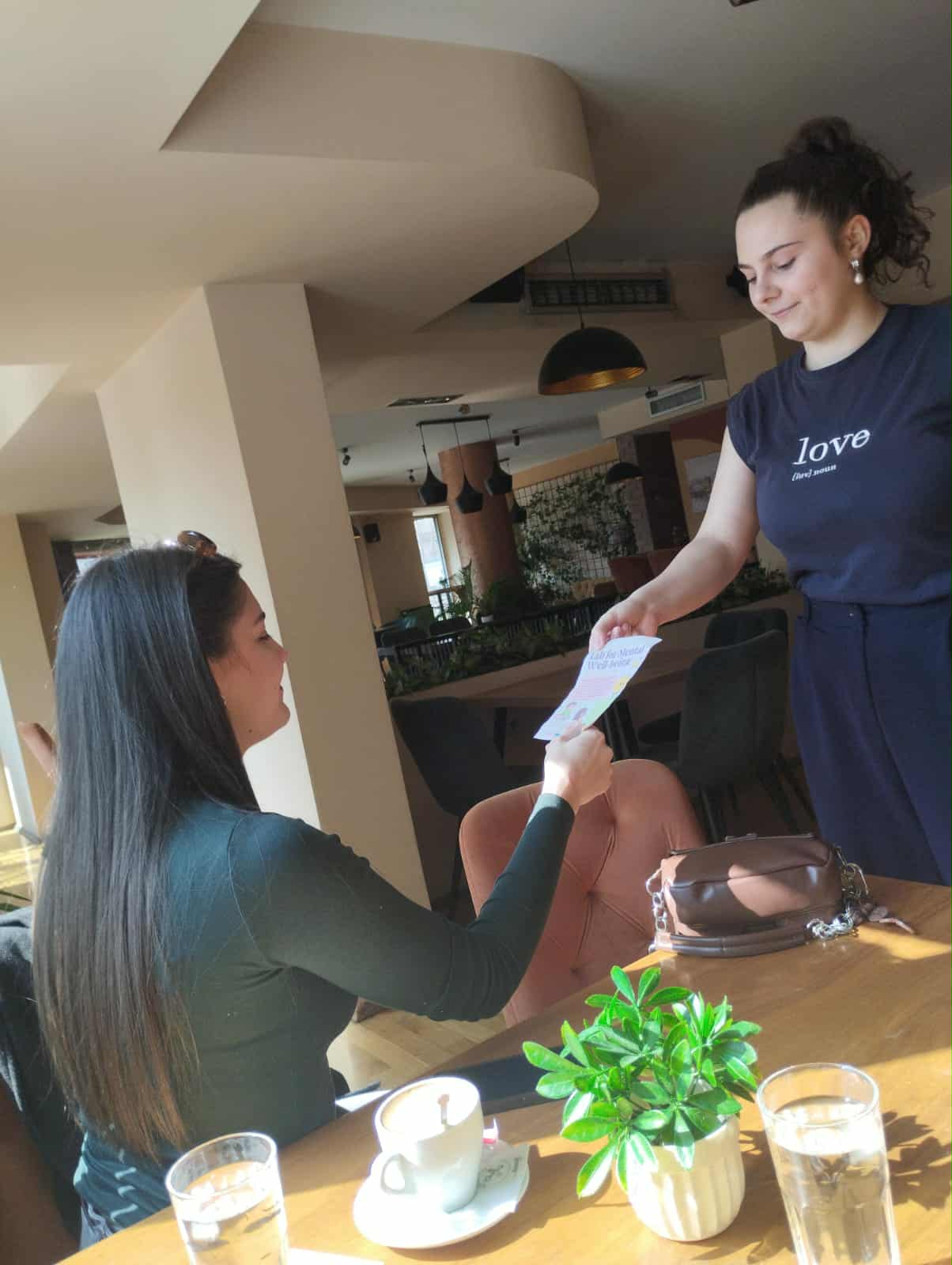
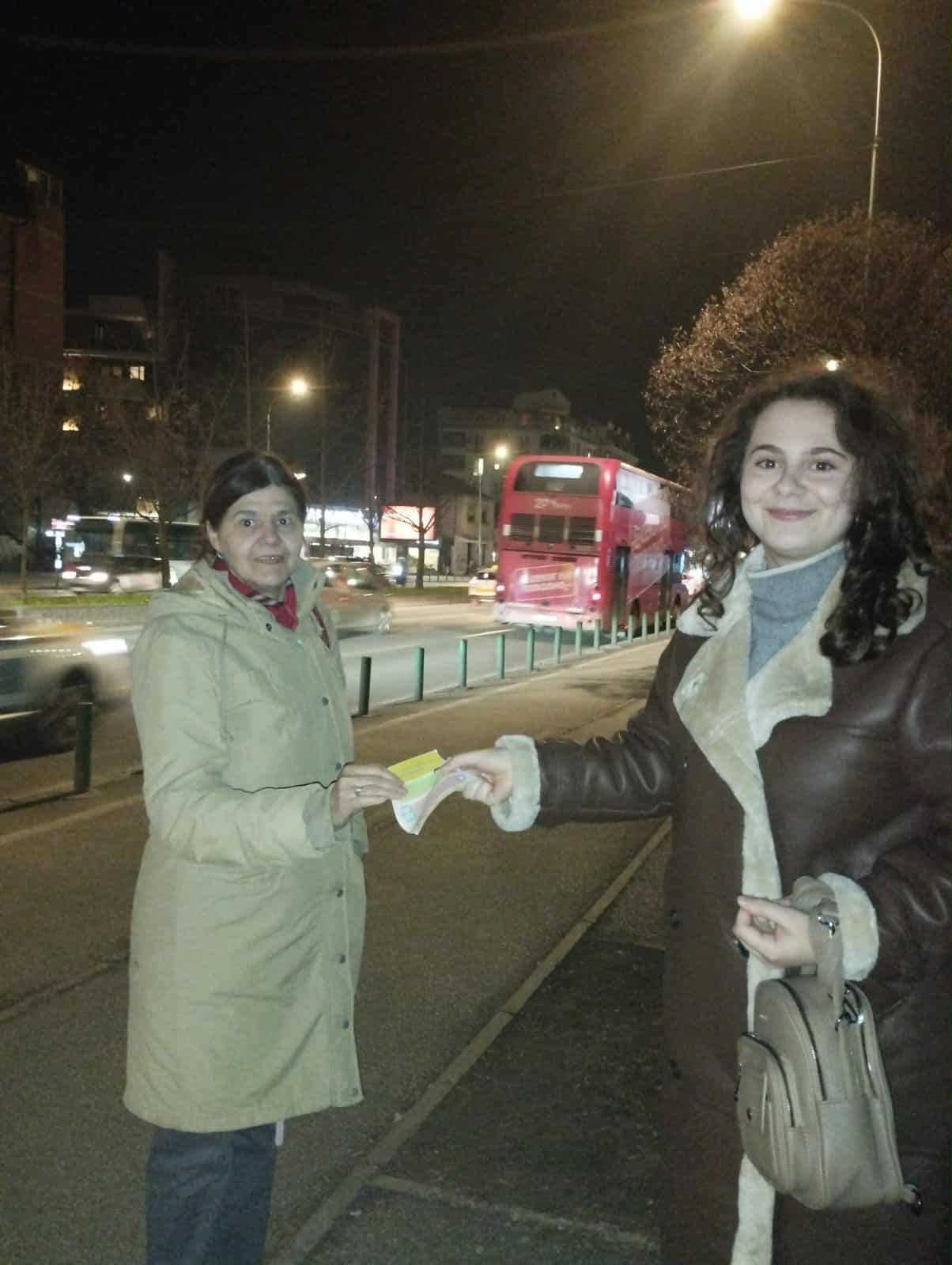
The Macedonian team contributed to the sustainability phase of the project by creating a mental well-being awareness campaign inspired by the themes and methods explored during the training course “Youth Workers’ Lab for Mental Well-being” in Pernik. The campaign aimed to raise awareness among young people about stress, emotional balance, mindfulness, and the importance of taking care of mental health in everyday life.
As part of the initiative, the team developed informative and visually engaging materials presenting practical techniques that young people can use to support their emotional well-being. The campaign focused on accessible and easy-to-apply methods such as box breathing exercises, digital awareness practices, creative flow activities, and stress release techniques encouraging movement, self-reflection, and mindfulness.
The awareness materials also addressed the impact of digital habits and social media on mental health, encouraging young people to reflect on their online behavior, emotional responses, and daily routines. Through simple but meaningful exercises, the campaign promoted self-awareness, emotional regulation, and healthier coping strategies for dealing with stress and emotional pressure.
In addition to promoting mental well-being practices, the campaign also highlighted the opportunities offered through the Erasmus+ programme and emphasized the importance of international youth projects as spaces for learning, intercultural dialogue, self-development, and emotional support.
The initiative demonstrated how the learning outcomes of the training course continued beyond the mobility itself, transforming into practical local actions with the potential to positively influence young people and encourage more open conversations around mental health and well-being.





Funded by the European Union. Views and opinions expressed are however those of the author(s) only and do not necessarily reflect those of the European Union or the European Education and Culture Executive Agency (EACEA). Neither the European Union nor EACEA can be held responsible for them.